BATTERY
Shots per charge
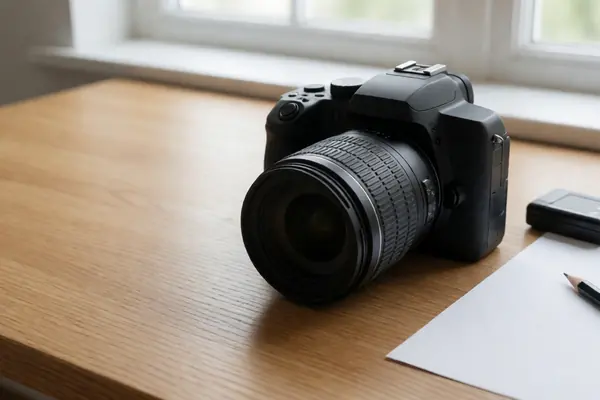
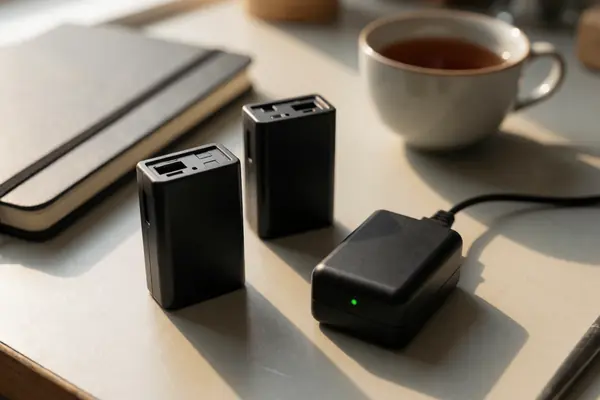
The usual figure follows the industry body CIPA's test: one shot every 30 seconds, the flash on every second shot, and the camera switched off and on every ten shots.
Check a spec lineHOW THE NUMBERS ARE MADE
Every number on a spec sheet came from a test.
Shots per charge, stops of stabilization and effective pixels are measured or reported under industry guidelines. Knowing the routine behind each one tells you how far it will travel to your own shooting.
TESTED under set conditions
THE SHORT ANSWER
Spec sheets look exact.
The useful part is knowing how each number was produced.
BATTERY
The usual figure follows the industry body CIPA's test: one shot every 30 seconds, the flash on every second shot, and the camera switched off and on every ten shots.
Check a spec lineSTABILIZATION
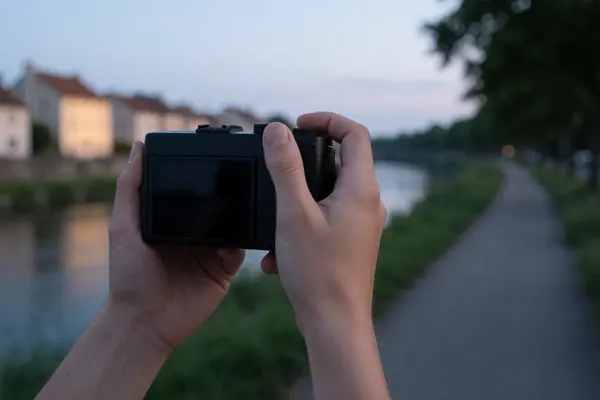
Each stop doubles the exposure you can hand-hold. Stabilization can allow shutter speeds 2 to 5.5 stops slower, about 4 to 30 times longer.
See the numbersPIXELS
CIPA's guideline asks makers to report effective pixels: the sensor pixels that receive light through the lens and end up in the final still image.
How to read themA QUICK SPEC CHECK
Pick a line from a spec sheet to see how it is produced. The bar shows how much the figure depends on the test conditions behind it.
Based on CIPA test conditions as reported in a camera maker's help guide, a published review of the CIPA DC-002 battery standard, and reference material on image stabilization.
TWO NUMBERS WORTH KNOWING
One figure on battery ratings in real use,
one on the physical limit of stabilization.
≈ 3.7× more
Real shooting vs the rated shots
A professional DSLR rated at 2,200 shots under the CIPA test shot more than 4,500 frames at an airshow on 55% of its battery: on a full charge, nearly 8,200 frames.
BATTERY · POINTS IN FOCUS
≈ 6.3 stops
Where Earth's spin starts to blur
A calculation for a 24-megapixel full-frame camera found that beyond about 6.3 stops of shake correction, the Earth's own rotation causes visible blur, unless the camera compensates using its location.
STABILIZATION · PETAPIXEL
The CIPA battery standard dates from 2003, before phones became most people's camera and before electronic viewfinders were common on interchangeable-lens bodies, which draw power whenever the viewfinder is on.
FOUR WAYS TO READ A SPEC
Standard tests make cameras comparable with each other. They are not a forecast of your own shooting, so read each figure for what it measures.
Shots per charge are only comparable when both figures come from the same standard routine. Check the footnote on each spec sheet.
Some sheets give two battery figures. If you mostly use the electronic viewfinder, read that line.
Stabilization ratings are quoted with a particular lens. A longer or unstabilized lens may not reach the same figure.
Electronic viewfinders draw power whenever they are on, not only when you press the shutter. Long spells of watching and waiting use the battery too.
WHAT A STOP MEANS
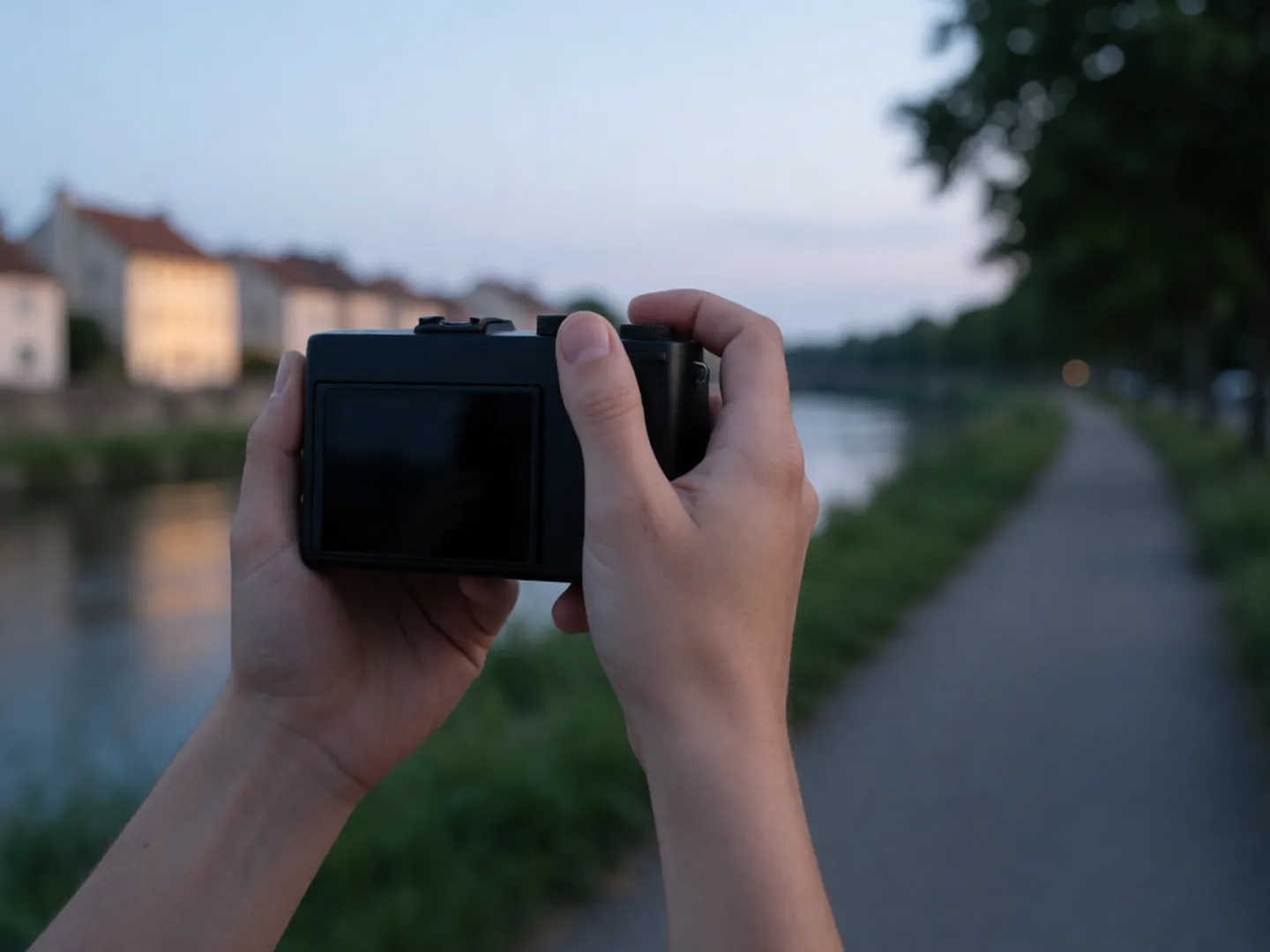
An old rule of thumb says hand-held shots blur when the shutter speed is slower than one over the focal length: at 125 mm, slower than 1/125 second. With high-resolution sensors, one over twice the focal length may be safer.
Stabilization buys stops on top of that. A shot needing 1/125 second with an ordinary lens could be taken at about 1/15 or 1/8 second with stabilization and look almost as sharp. It steadies the camera, not a moving subject.
Questions
The Camera and Imaging Products Association, an industry organization of camera makers and other imaging companies. It publishes standards and guidelines, including how battery life and pixel counts are reported.
The rating comes from a fixed routine: a shot every 30 seconds, flash on every second shot and regular power cycling. Bursts without flash can give far more frames; keeping an electronic viewfinder on between shots can give fewer.
It means more slow-shutter help under the test, but the figure depends on the lens and body used. Stabilization does not freeze a moving subject, and beyond about 6 stops the Earth's rotation itself becomes a limit.
The pixels on the sensor that receive light through the lens and are reflected in the final still image. CIPA's guideline asks makers to report this figure.
A 2018 review of DC-002 said the stills standard makes no provision for video. Some makers now publish movie figures based on CIPA conditions, often as separate 'actual' and 'continuous' recording times.
Sources
ABOUT THIS NAME
bestfullframecameras.com is part of the DoodleSale portfolio. It isn't in an auction right now, but you can ask about leasing it.